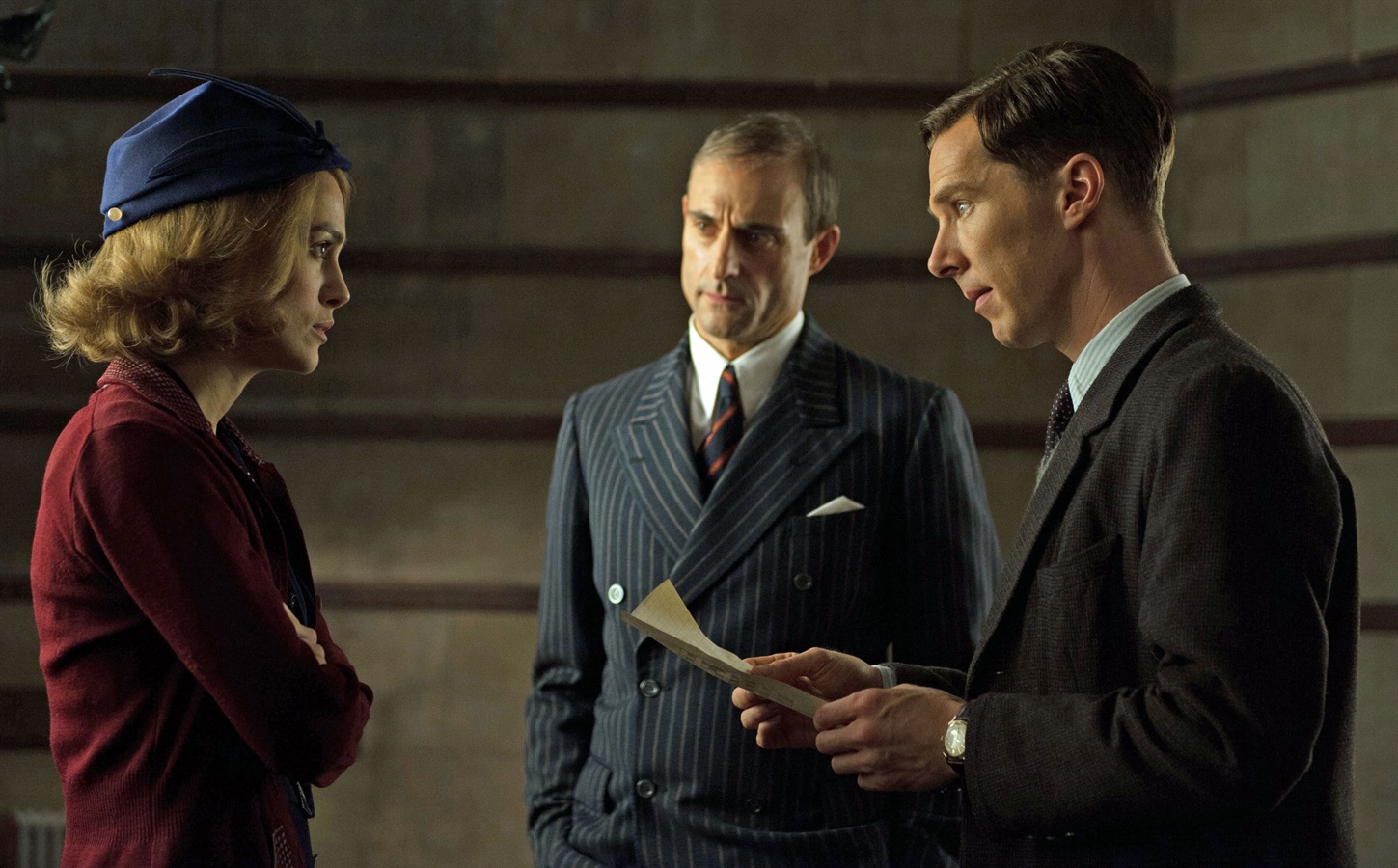
The story of Alan Turing is criminally unknown history for much of the world- especially for a figure who accomplished so much in his short life, and was nearly singlehandedly responsible for the modern world that we live in today. The world of labtops, cell phones, the entire digital age that encompasses so much of our lives. We take it for granted, but it all had to start somewhere, didn't it? Well, in The Imitation Game, we're shown the birth of that technology, and the man responsible for creating it, for having the wild imagination to dream it up...along with the horrifyingly ungrateful and uncelebrated manner in which he was treated by his own country, and essentially erased from the history books until very recently, when he was given an official pardon by the Queen in 2013.
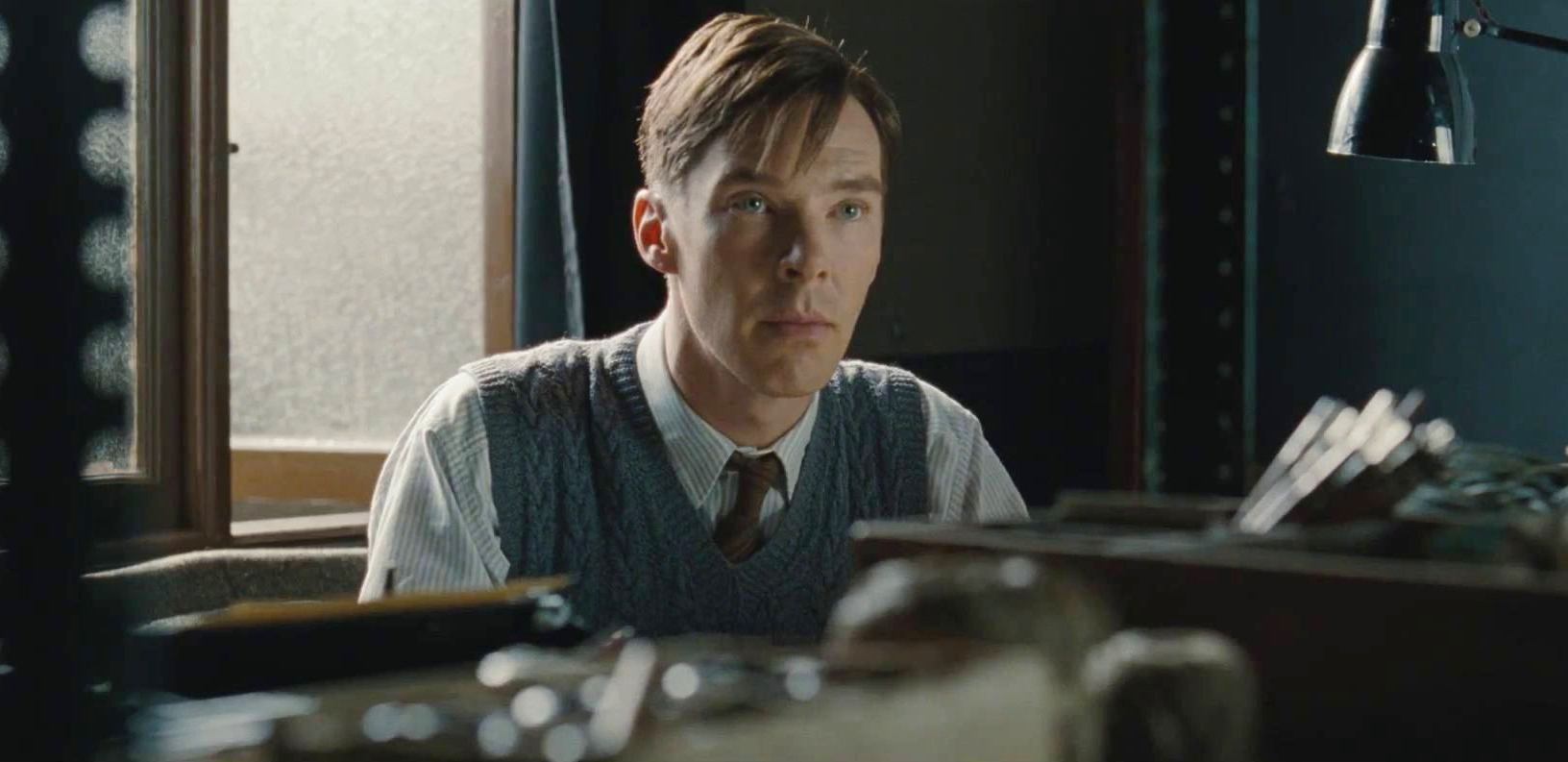
The story is amazing enough on its own, but in this movie it's given a supremely polished and incredibly well acted telling, starting with Sherlock's Benedict Cumberbatch as the genius himself. A collection of tics and verbal barbs that go hand in hand with his utter disregard for most people, Cumberbatch carries the screen with a radiant charisma, even playing a character that's supposed to repel most of his fellow humans. Not so for the audience, as we buy him instantly in this role and are entertained by his personality "problems," even as others in the film label him an irascible genius. The screenplay by Graham Moore (based on the book Alan Turing: The Enigma by Andrew Hodges) deftly moves back and forth between three different time periods, showing us Turing's 1951 arrest and interrogation for "indecency," juxtaposed with his top secret government job during the war, and his early days as a schoolboy where he experienced the one, most important personal relationship of his life.
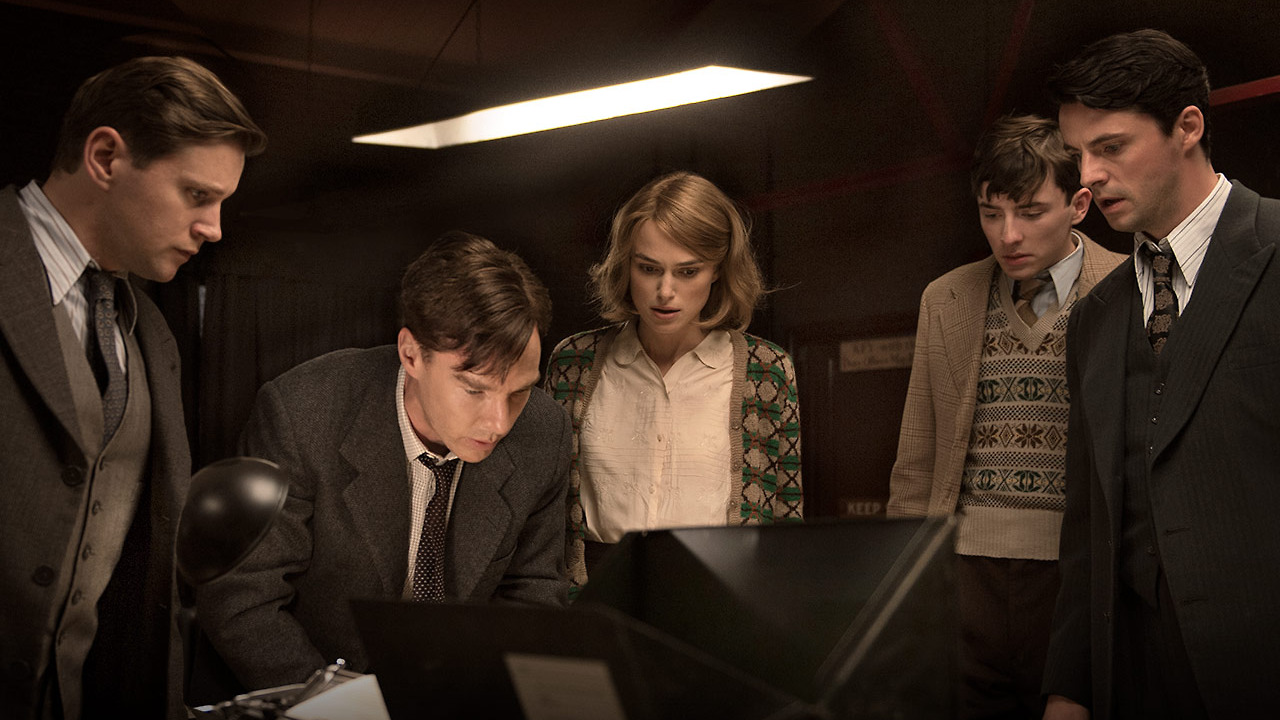
The way the film balances these different time frames, gradually revealing the secrets behind Turing's life is so slick and edited so seamlessly that it makes it look quite easy. But in fact it's much more difficult to form a story together in a coherent way when you're juggling narration, the revelation of a personal mystery, and the center of the film which focuses on the code-breaking that Turing and a group of colleagues did during the war, a classified activity that eventually helped save millions of lives during WWII. This section of the film is the most exciting, which is an accomplishment of its own, as watching an activity as tedious as code breaking might not easily lend itself to suspenseful cinema.