But there's a lot more to it than that, and Inarritu is not interested in making a film simply about theater people. After all, that's been done before. He wants to satirize show business as a whole, and the script is full of jabs at the current superhero/action movie saturation in the marketplace, the dumbing down of the American consumer and the actors who must degrade themselves for the easy money that is now just tossed their way like candy if they sign up. Riggan wants to be revelant, wants to be taken seriously as an artist, but is jealous and resentful about the Robert Downey Jr.'s of today who can make $50 million dollars for doing nothing so much as showing up and saying the same lines, movie after movie. There's a seething resentment boiling underneath the surface of this film, directed at American culture and the ignorance of the masses, who are so easily fooled again and again (social media does not come away unscathed either, nor do critics themselves). it often comes across as venting from Inarritu, who co-wrote, but really, when you look at the top box office movies of the last five years, who can blame him? It looks bleaker with every passing month.
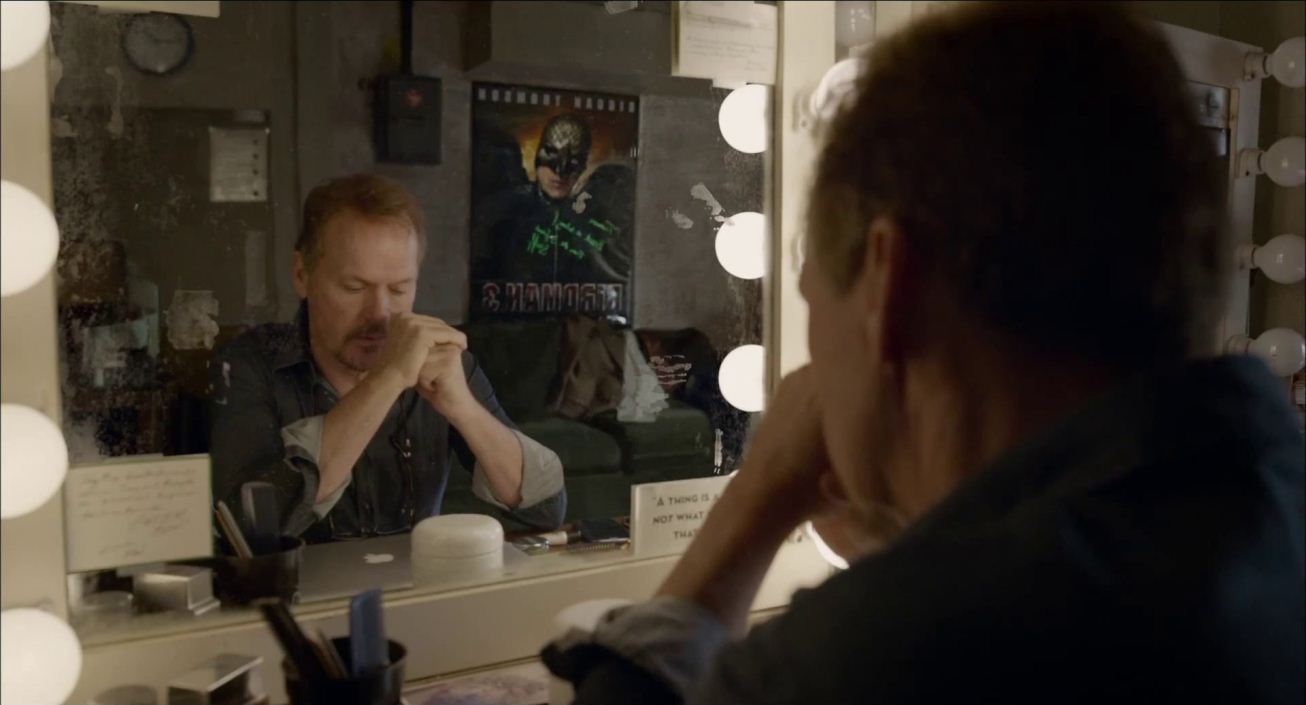
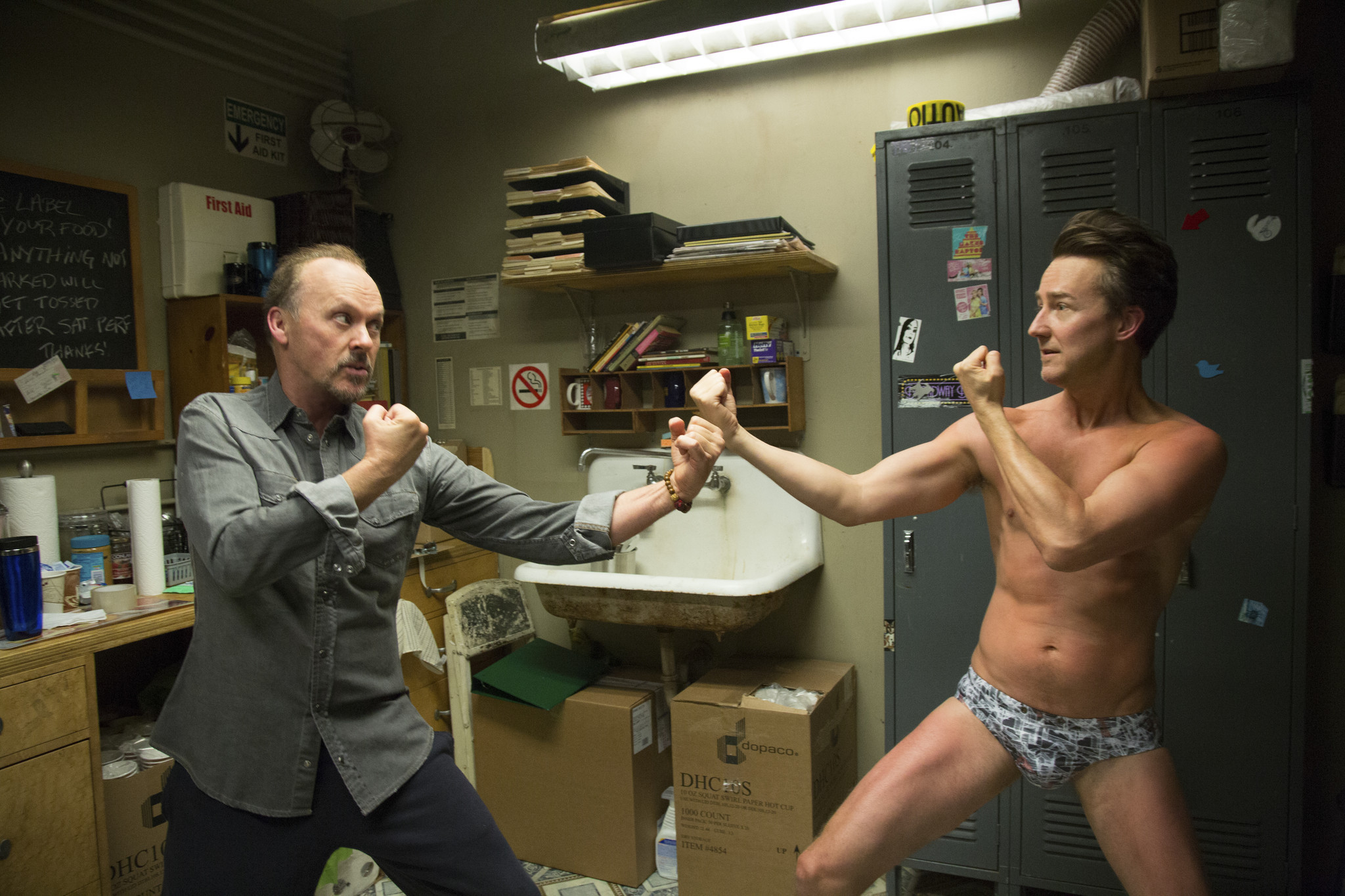
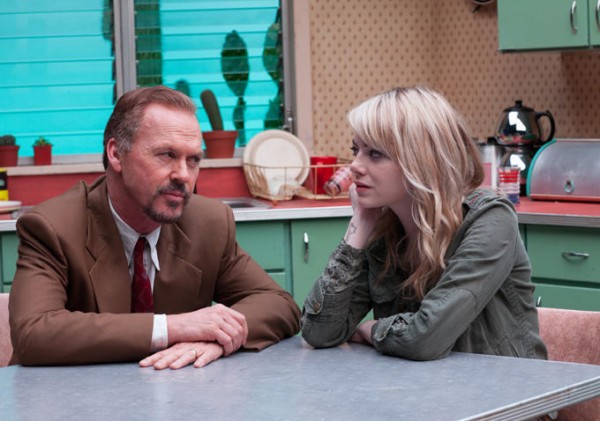
Birdman's also a character study which spends an awful lot of time inside the mind of Riggan Thomson, usually as he battles the goading of his alter ego, but also as he half-heartedly struggles to connect with his daughter Sam (Emma Stone), fresh out of rehab and working as his personal assistant, she who lectures him on embracing the power that comes with being a viral sensation through physical humiliation, and his faltering relationships with his ex-wife (Amy Ryan) and current girlfriend, both of which suffer due to Riggan's narcissism and self-obsession. The movie's not blind to the self-importance of actors (the Edward Norton character is a direct mockery of such cliches), but when Inarritu employs some elevated moments of magic realism as Birdman comes closer and closer to merging with Riggan himself, the tone does shift to resemble something closer to fantasy and it leaves a strange impact as you wonder what it all might mean. Last, but not least, Inarritu is wanting to be technically innovative as well, and the camera creates the illusion of a single take throughout the entire movie as we follow Riggan, Sam and others through the confines of backstage and outside, the streets of New York coming virulently alive as the movie thrives in a vibrant, claustrophobic, chaotic visual movement. Hitchcock did it before in Rope, and like that film, you can see where the camera breaks in this one, but it's a neat trick nonetheless.
With all these contradicting elements at play, Birdman is certainly an event film not to be missed, but I can't help but wonder if a bit less of any one element would have made the overall impact stronger, helped it to convey one or two messages in a sharper, more powerful fashion, rather than the many, sometimes disparate statements at once. But it certainly is a wild enough ride as it is, and one worth taking, if you're open to letting its strange spell work its magic on you. I'd recommend it.
* * * 1/2